Finding somewhere to live is usually the biggest decision you make before arriving in London. It is also, if you are searching from another country, the one you have the least information for. Prices vary wildly between streets that look identical on a map, the terminology is unfamiliar, and at some point somebody will expect you to commit money to a room you have never stood inside.
None of this is as risky as it feels once you know how the London student market works. So this is the student advice we give people who ask us directly: when to search, what the options really are, which costs catch people out, and how to book from abroad without being caught by a scam.
When to start looking
Different types of accommodation run on completely different clocks, which is why students comparing notes often confuse each other.
University halls open applications once you have accepted an offer, and the popular rooms go fast. Apply the day you can, not the week results come out. Purpose built student accommodation, the private residences designed just for students, takes bookings all year, and at Beaumont House you can reserve a room at any point, even while you are still waiting on offers. Private flats and house shares are the opposite: London landlords rarely advertise more than a month or two ahead, so if your course starts in September, searching before June is mostly wasted effort.
In other words, choose your type of accommodation first. Your timeline falls out of that decision, not the other way round.
Halls, purpose built, or a flat share?
Most London students live in one of three set ups, and each suits a different situation.
University halls are owned or managed by your university. They are the traditional first year option, though at most London institutions demand comfortably outruns supply, and the buildings themselves range from excellent to fairly tired.
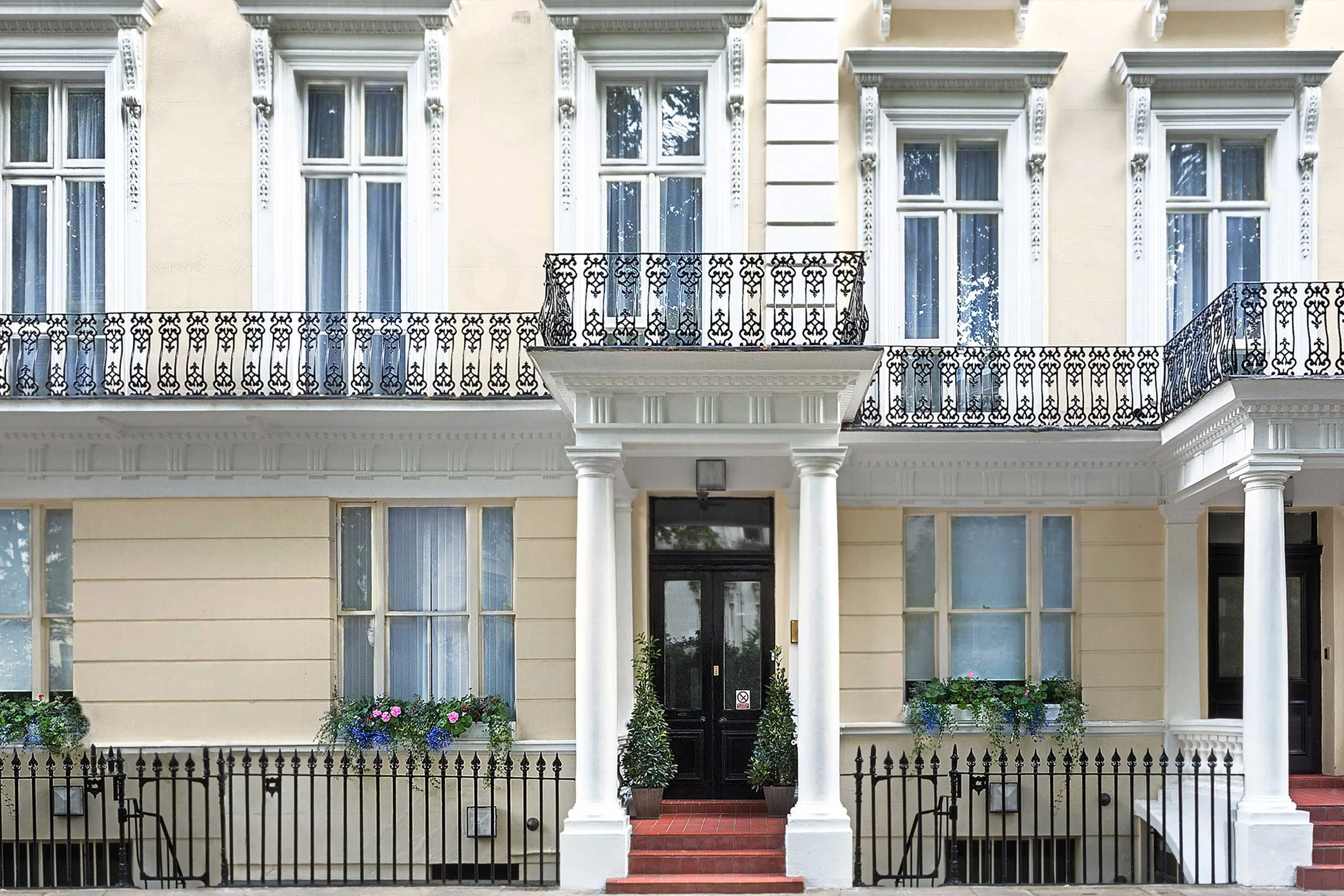
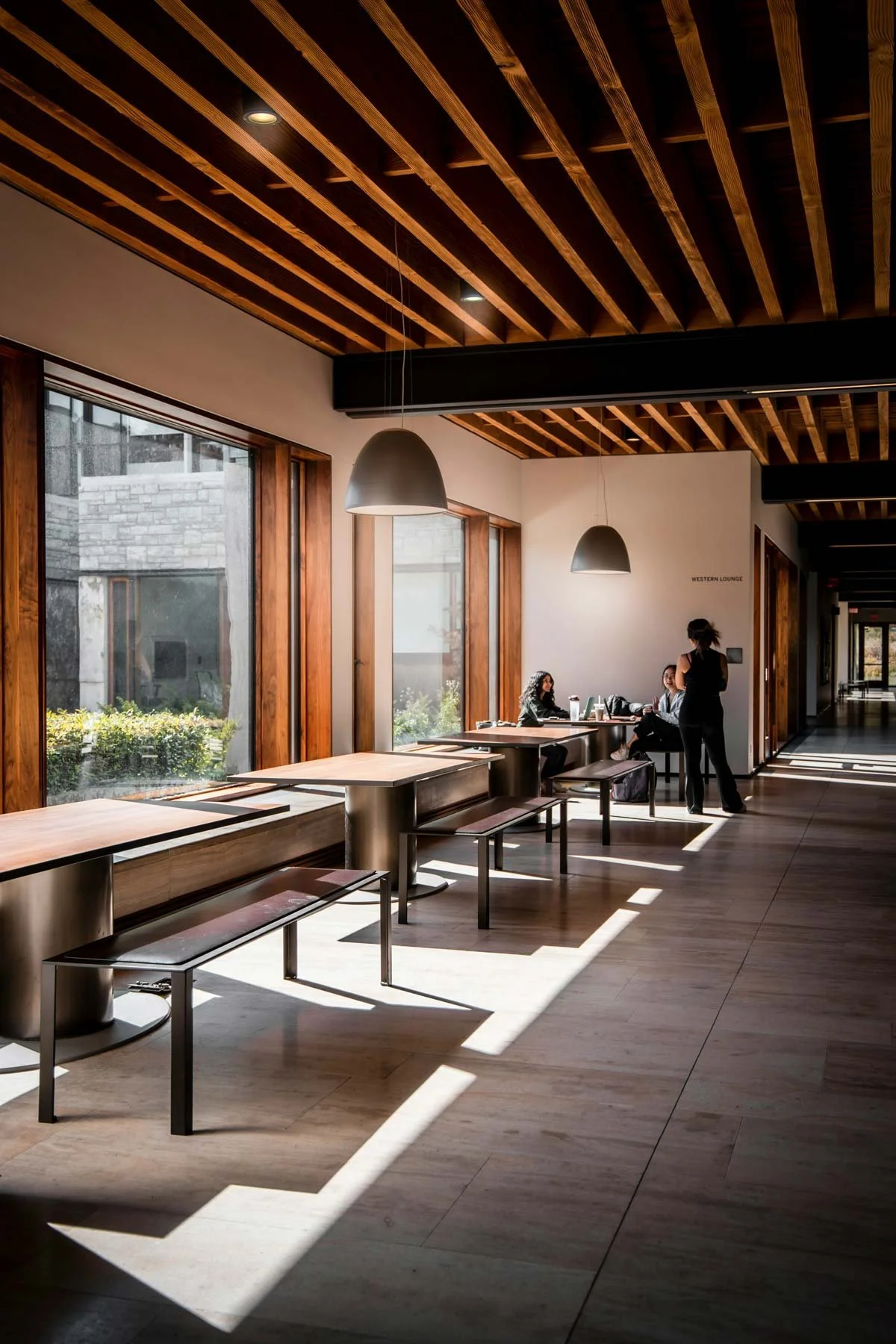
Purpose built student accommodation, which you will see shortened to PBSA, gives you the same all student community in a privately run building, normally with bills included. Services vary a lot between providers, which is worth checking rather than assuming. At Beaumont House they include high speed WiFi, 24 hour security, a prayer room with an ablution area and a dedicated International Student Services team.
Then there is renting privately, through a letting agency or straight from a landlord, usually sharing with other students. From second year onwards, with flatmates you trust and a year of London behind you, it can be brilliant. As a first year arriving from overseas it is the hardest option to do well, because everything the other two handle for you, utilities, bill splitting, checking the landlord is meeting their legal obligations, becomes your job, managed from another time zone.
The costs nobody explains properly
A few UK conventions catch almost every international student out, so let's deal with them now.
London student rent is usually advertised per week, not per month, and contracts often run 44 or 51 weeks rather than a calendar year. Always work out the total cost of the contract before comparing anything, because a lower weekly figure across a longer contract can quietly cost you more.
"Bills included" means different things in different places. In most PBSA it covers electricity, water, heating and WiFi. In a private rental it usually covers none of them.
Deposits have legal protection here, and it matters. On a private tenancy your landlord must place your deposit in a government approved deposit protection scheme within 30 days and tell you which one. A landlord who cannot name the scheme is telling you something important about themselves.
And one genuinely pleasant surprise: full time students do not pay council tax, a local tax that costs other households well over a hundred pounds a month. If a bill turns up anyway, your university can issue a certificate proving your exemption.
The guarantor problem
Private landlords and agencies usually want a UK based guarantor, an adult living in the UK who signs to cover your rent if you cannot pay. Most international students do not have one. It is probably the single biggest barrier to renting privately from abroad, and nobody warns you about it until an agency asks.
You have options. Some landlords accept several months' rent in advance instead, though never pay anything except against a signed contract. Commercial guarantor services exist that will stand in for a fee, usually a percentage of the yearly rent. Or you can sidestep the problem: purpose built accommodation providers commonly take international bookings without any UK guarantor. Ask about the policy early, before you get attached to somewhere that will say no.
Choosing a location
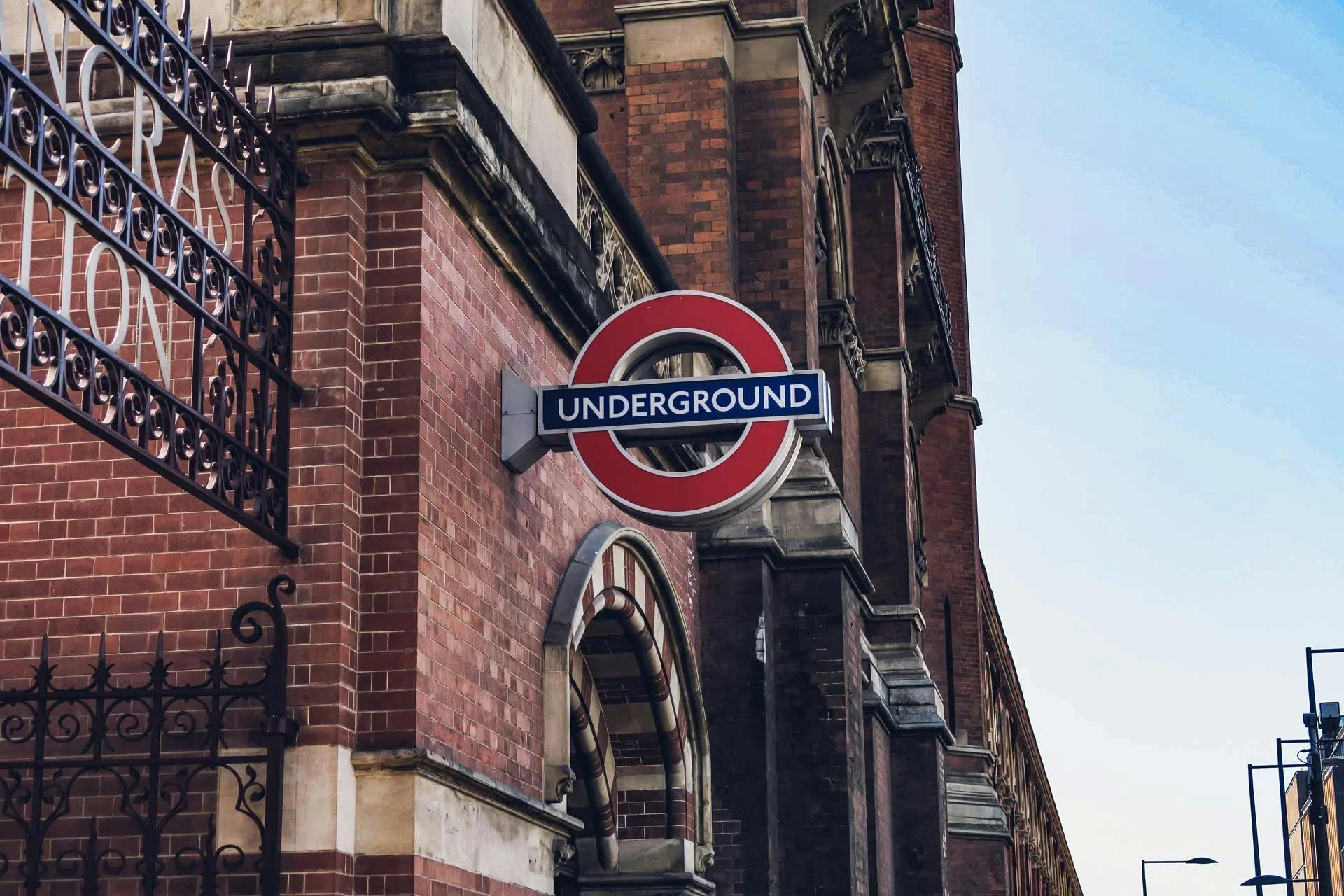
Think in travel time rather than distance, because in London the two are only loosely related. A room thirty minutes from campus on one direct Tube line will serve you better than one that looks closer on the map but needs two changes and a bus. Deciding between areas deserves proper research of its own, and our guide to living in central London as a student breaks down the costs, transport trade offs and neighbourhoods in detail, including the areas of West London around Beaumont House.
Booking from another country without being scammed
Rental fraud targets international students deliberately. Scammers know you cannot view in person, may not know UK norms, and are under time pressure. Nearly all of it can be avoided with a few habits.
Never transfer money to a personal bank account for a property you have not seen. Legitimate providers take payment through company accounts, with proper contracts and receipts. Treat a price dramatically below everything comparable as the warning it is. A landlord who cannot manage a live video viewing, or who insists other students are about to snap the room up, is applying pressure for a reason. Book through providers you can actually verify, meaning a registered company address, a phone number you have called and someone answered, an established site. If the worst happens, report it to Action Fraud, the UK's national fraud reporting service, and tell your university straight away, because many keep emergency housing options for exactly this situation.
Before you sign anything
Check the contract dates cover your whole course period, including January exams after the winter break. Ask what happens if your visa is refused or your university place falls through, and get the answer in writing, because policies differ between providers. At Beaumont House there is no deposit to protect in the first place, just one month's rent in advance, and the cancellation terms are set out plainly on our FAQ page. And on the day you move in, photograph everything. The state of the room on day one is your evidence when the deposit comes back at the end.
Where that leaves you
Pick your accommodation type, let it set your timeline, and compare total contract costs rather than weekly headlines. If purpose built accommodation in West London is on your shortlist, our pricing page sets out exactly what is included at Beaumont House, and you can reserve a room at any point in the year, even before your university place is confirmed.