
If you have just arrived in London for university, the next few weeks will be a blur of new faces, new places and a fair amount of paperwork. Freshers week sits right in the middle of it all, and for international students it can feel like everyone else already knows the script. They do not. Most of your British coursemates are working it out as they go too.
This guide explains what freshers week actually is, which admin is worth doing early, how to meet people, and the student advice we wish someone had handed us about money, ID and finding your way around a new city.
What is freshers week and when does it happen?
Freshers week, sometimes called welcome week, is the run of events your university and students' union put on before teaching begins. At most London universities it falls in mid to late September, with lectures starting in the last week of September or early October. Exact dates vary between universities, so check your own university's welcome pages rather than relying on what friends elsewhere tell you.
Many London universities also run orientation days specifically for international students, often a few days before the main programme. These cover enrolment, visas and banking, and they are one of the easiest places to meet people in exactly your situation. One warning before we go further. Only buy event tickets or wristbands through your university or students' union. Unofficial "freshers wristbands" sold on social media are a well known scam aimed at new students, and the official events are usually cheaper in any case.
The admin worth doing in your first week
A few boring jobs unlock everything else, so get them done while your timetable is still empty rather than waiting for teaching to start.
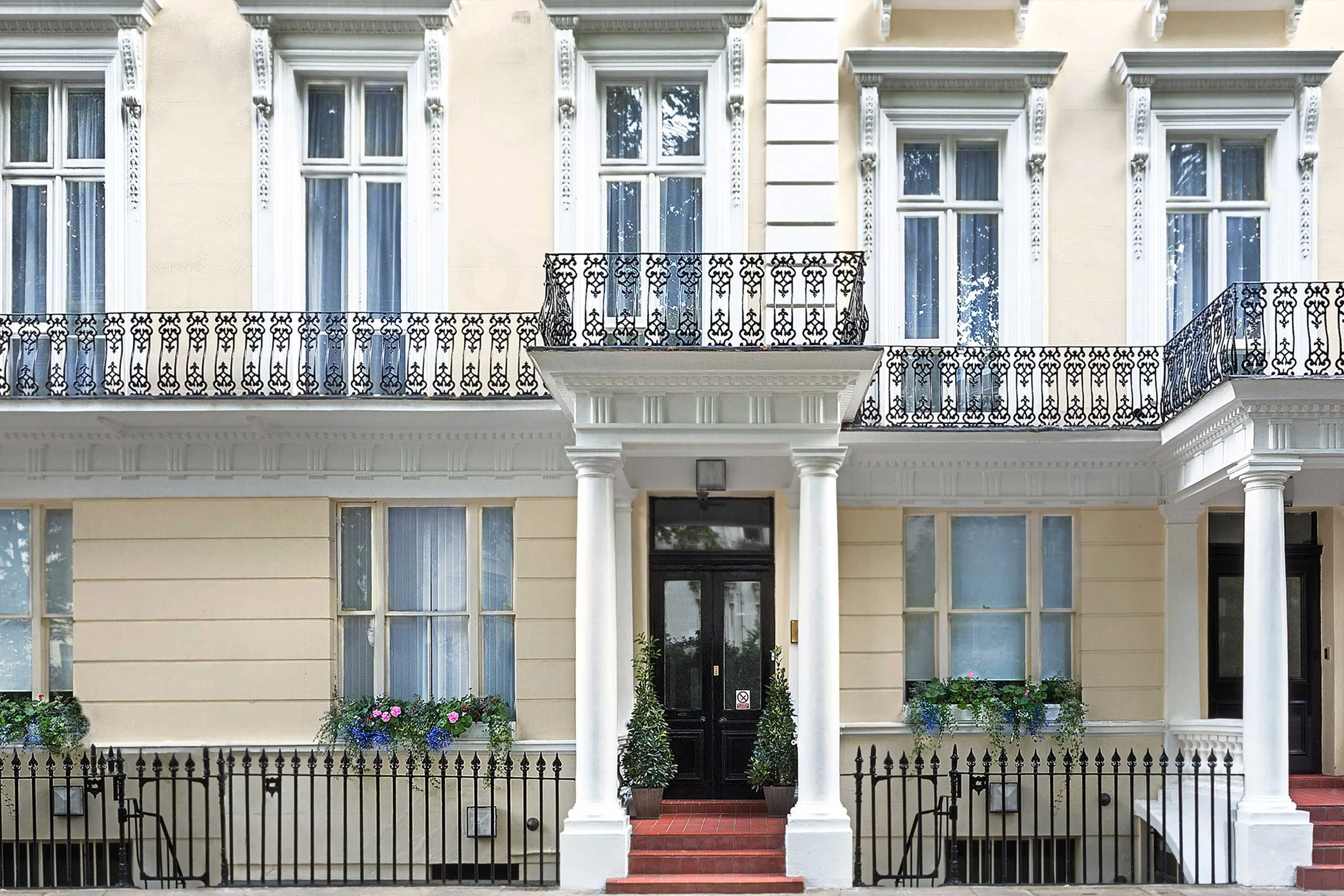
Register with a GP. A GP is your local NHS doctor, and registering is free. Do it near your accommodation before you need it, because you cannot register quickly once you are ill. The NHS explains how to register and you do not need proof of address or immigration status to do so. If you live at Beaumont House, the nearest practice is: Newton Medical Centre on Newton Road, around four minutes' walk away, with Garway Medical Practice on the Hallfield Estate and Pembridge Villas Surgery towards Notting Hill both within ten minutes. Check the catchment area on a practice's website before registering, as each one only accepts patients from its local boundary.
Open a UK bank account. App based banks such as Monzo and Starling are popular with international students because you can usually open an account from your phone with your passport and visa share code, without the branch appointments traditional banks often require.
Get a UK SIM. A pay as you go SIM from a network like giffgaff, VOXI or Lebara takes minutes to set up and saves you from roaming charges while you compare longer term options.
Apply for an 18+ Student Oyster photocard. Once you are enrolled, this TfL photocard gives you 30 per cent off adult rate Travelcards and bus season tickets. If you will commute to campus by Tube or bus, apply in your first week. Fifteen minutes of admin each morning is usually enough to clear this list before the end of the week.
Sorting your ID for nights out
Here is something the welcome guides rarely mention. Venues in London routinely ask for photo ID, and for most international students that means carrying a passport, which is exactly the document you least want to lose on a night out. A practical fix is a CitizenCard, a widely accepted UK proof of age card you can apply for using your passport. Once it arrives, the passport stays safely at home.
How to meet people
The good news is that freshers week is the one time of year when absolutely everyone is open to conversation. Start with the people physically closest to you, which usually means flatmates and coursemates, then widen out from there. The freshers fair is where clubs and societies recruit. Go with an open mind rather than a fixed plan, and sign up for one thing you already love plus one thing you have never tried. Look out for your university's international students' society and country or regional societies too. They can be a real comfort in the early weeks, though they work best alongside mixing more widely rather than instead of it. If big, loud events are not your thing, you are far from alone, and this is worth saying plainly because so much freshers marketing suggests otherwise.
Plenty of programmes now include quieter and alcohol free options, from museum trips to coffee mornings and games nights, and societies are a much better route to lasting friendships than any club night.
Managing your money during freshers
Freshers week has a way of becoming freshers month, so decide what you can spend before it starts, then divide it by days. It sounds joyless, but it is the difference between enjoying October and dreading it. Discounts help too. TOTUM is the students' union discount card that replaced the old NUS extra card, and the UNiDAYS and Student Beans apps are free and cover many of the same retailers. Before you pay for anything, from lunch to laptops, run a ten second check across them. Planning to explore beyond London? A 16-25 Railcard usually pays for itself within a couple of trips.
Staying safe in a new city
London is generally a safe and welcoming place to be a student, and the basics are the same ones locals follow. Keep your phone and wallet zipped away in crowded areas, since pickpocketing is the most common problem new arrivals run into. On nights out, keep your drink with you, stick with your group, and decide how you are getting home before you leave, whether that is a licensed taxi, a ride hailing app or a night bus. Never an unmarked car. Two numbers to save now: 999 for emergencies and 111 for non emergency medical advice.
After the week ends
Freshers week is a starting point, not a deadline. Friendships keep forming all year, and some of the best ones start in week five once the noise has died down. Settling into a new country takes longer than seven days, and nobody expects it to happen faster. Once term is underway, our guide to 5 things to do in your first month as an international student in London picks up where this one leaves off. And if you are still finalising where you will live, or your plans have changed since results day, get in touch and we will help you find your feet in West London.























To check room availability in our building, or to find out more about living at Beaumont House, contact us or give us a call at: +44 (0)203 195 3214.