Living in Central London as a Student: The Complete Guide (2026)

Every year, thousands of students arrive in London having spent months imagining what their life here will look like. The city they pictured is real — the landmarks, the energy, the sense that something interesting is always happening somewhere nearby. What catches most of them off guard is how quickly the practical questions take over.Where should I actually live? How far is too far from campus? What does "affordable" mean in a city where everything costs more than you expect? This guide aims to answer those questions plainly, because most of what's written about student life in London is either a tourism brochure or a cost-of-living horror story, and neither helps you make a decision.
What central London actually offers students
The pull of central London is real and worth taking seriously.
London's biggest universities are clustered in and around Zone 1. UCL sits in Bloomsbury. LSE is off the Strand. Imperial is in South Kensington. King's has campuses along the Embankment and in Waterloo. If you're studying at any of these, living close means short commutes, the ability to stay late in libraries without worrying about the last tube, and the kind of spontaneous social life that's hard to manufacture when you live 45 minutes away and have to plan every evening in advance.
There's also something less tangible but valuable about being embedded in the city rather than visiting it. London has a learning curve, and students who live centrally tend to get past it faster. That confidence carries over into other parts of their time here.
For international students especially, that immersion matters. You're not just studying for a degree. You're building familiarity with a city, a culture, and a professional environment that may shape the next decade of your career.
The cost reality
London is expensive, and central London is the most expensive part of it.
A private room in a Zone 1 flat share typically runs from £900 to £1,400 per month depending on the area and the property. Purpose-built student accommodation in Bloomsbury or King's Cross sits at the higher end of that range, often above it. Bills are frequently on top.
The standard student loan for those studying in London is currently up to £13,022 per year. It does not go far when rent alone can consume most of it. Students with family financial support are in a different position, but for the majority, the maths of Zone 1 living is tight.
This raises a question worth thinking about honestly: do you need to live in Zone 1, or do you need to reach it quickly and cheaply? Those are different things, and the answer is really what determines where you should be looking.
How transport changes the map
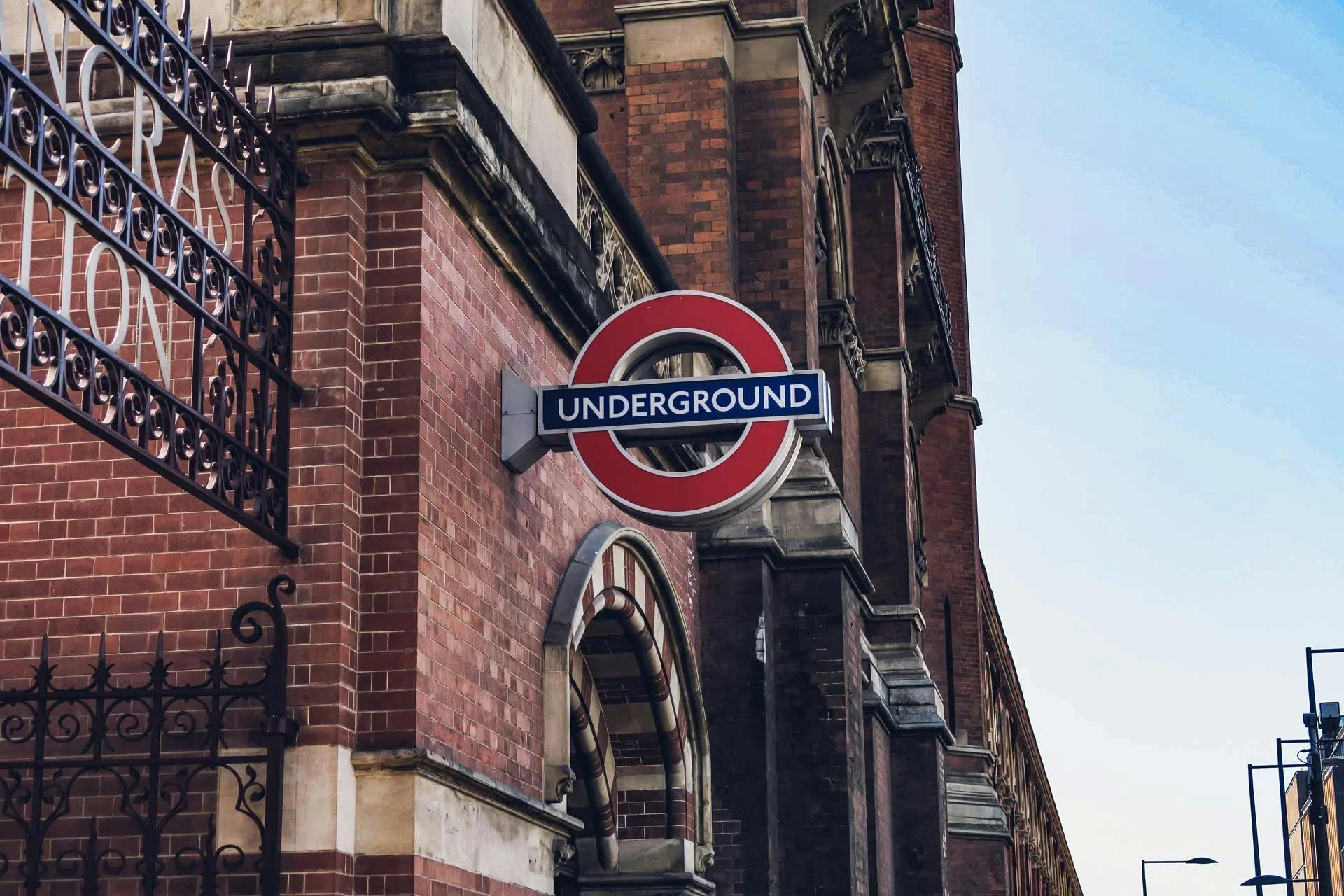
London's tube network is one of the few things about the city that's straightforwardly good value for students. An 18+ Student Oyster card cuts pay-as-you-go fares by 30%, and a monthly travelcard covering Zones 1 and 2 costs around £114. For most students, that's a fixed, manageable cost that extends your viable search area well beyond Zone 1.
A 15-minute tube ride from Zone 2 is functionally similar to a 15-minute walk from Zone 1. Both get you to a lecture on time. The tube journey is less dependent on weather and considerably cheaper when you factor in the rent difference.
The neighbourhoods that benefit most are those with strong multi-line connections, where two or three different lines converge and give you direct access to most campus areas without changing trains. From Bayswater, you can reach South Kensington for Imperial in 12 minutes, UCL's Bloomsbury campus in around 15, and LSE in 18. Paddington, which serves the Elizabeth line, Heathrow Express, and mainline routes, is a five-minute walk.
What students often overlook when choosing where to live
Most students focus on proximity to their own campus and not much else. That's understandable, but it misses a few things that end up mattering.
The first is the journey home late at night. If you're going to be in the library until 11pm during deadline season, or out with course friends on a Friday, you want accommodation that's reachable without a complicated sequence of buses or a long walk through an unfamiliar area. Simple, direct routes matter more than students tend to anticipate before they arrive.
The second is green space. This sounds soft but it isn't. London without access to a park feels relentlessly urban in a way that wears on people, particularly those arriving from countries with more space and more nature. Students who can walk to a park use it, and the difference to their concentration and wellbeing during stressful periods is real.
The third, particularly relevant for international students, is the practical infrastructure of daily life: halal food, places of worship, familiar grocery shops, communities of people from similar backgrounds. London has all of this, but not evenly distributed. Where it's concentrated, daily life is easier and the transition to living abroad is less isolating.
Why West London is worth a serious look
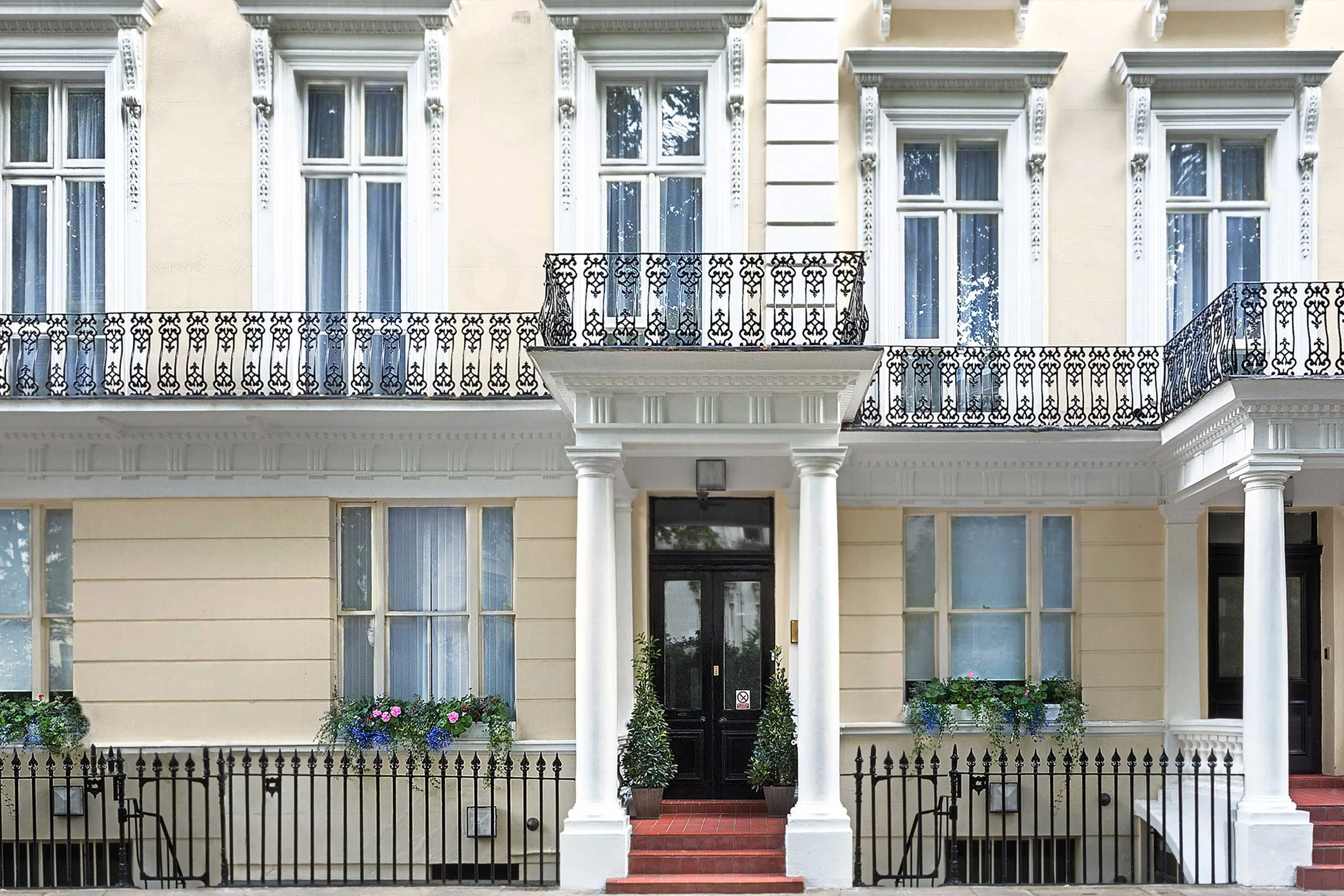
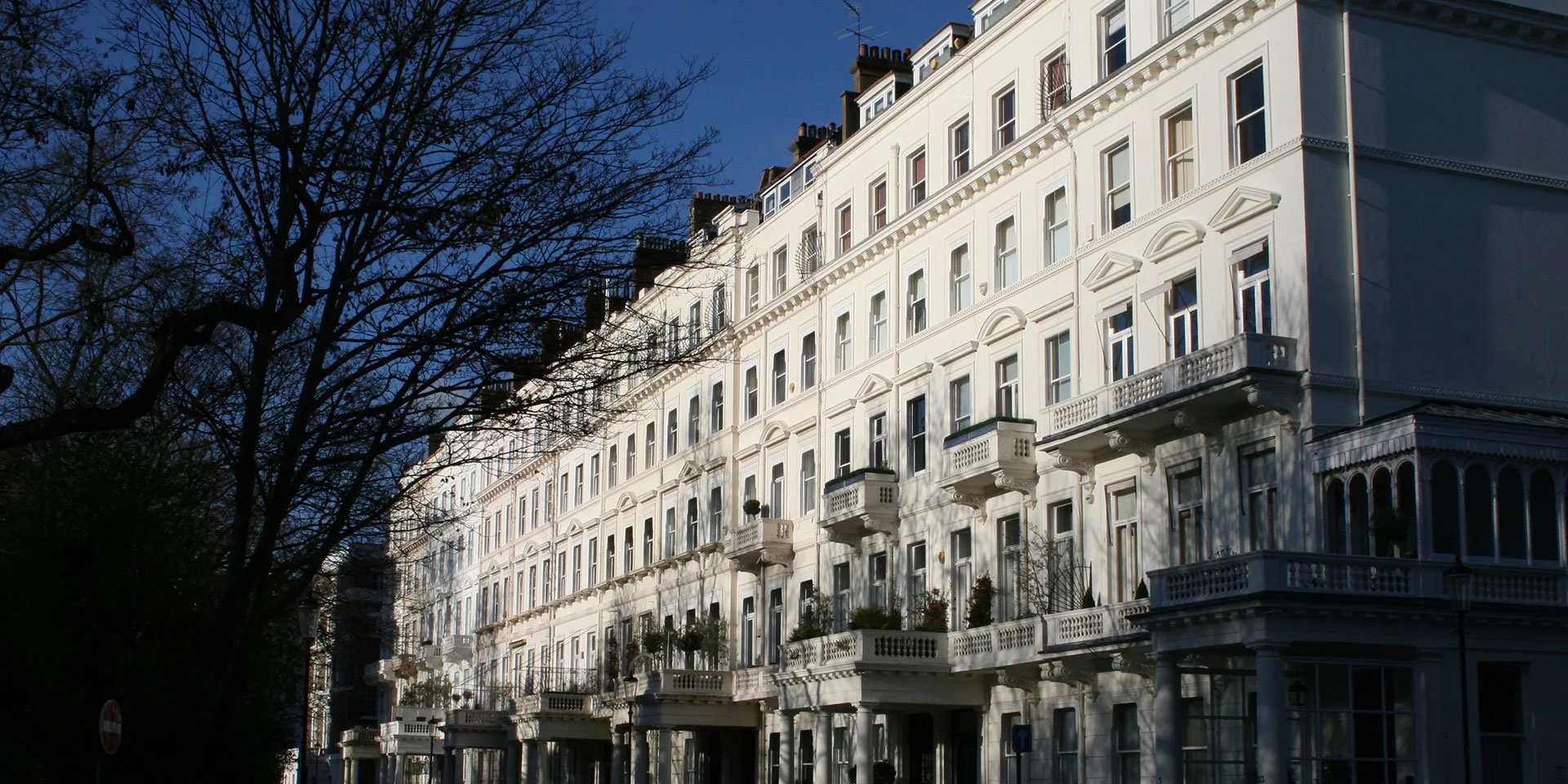
Bayswater, W2, sits on the northern edge of Hyde Park with Paddington to its northeast and Notting Hill to its west. It's not a neighbourhood students tend to have strong preconceptions about, which is partly what makes it worth considering.
Queensway, the main high street, is busy and international: a food market, a cluster of Lebanese and Persian restaurants, a Whole Foods, and the recently redeveloped Whiteleys. Westbourne Grove, ten minutes west on foot, is quieter with better coffee shops and independent places to work. Hyde Park is genuinely on the doorstep. You can be running along the Serpentine in five minutes, and Speakers' Corner is a short walk for when you want a reminder of how strange and brilliant London can be.
For Muslim students, the proximity to Edgware Road is particularly useful. It runs north from Marble Arch and has been a hub for the Arab and wider Muslim community for decades. Halal butchers, bakeries, restaurants, and shops are straightforwardly available rather than something you have to plan around.
The transport connections are strong in multiple directions, and the costs are noticeably lower than equivalent accommodation in Zone 1.
What to look for in student accommodation
All-inclusive pricing, where rent covers bills, WiFi, and communal facilities, makes a significant difference to monthly budgeting. The hidden cost model, where rent looks reasonable until you add electricity, heating, and broadband, is common and catches students out.
Security matters more than it sounds. 24-hour access control, CCTV, and key fob entry are the baseline for somewhere you'll be living alone, often for the first time, in a large unfamiliar city.
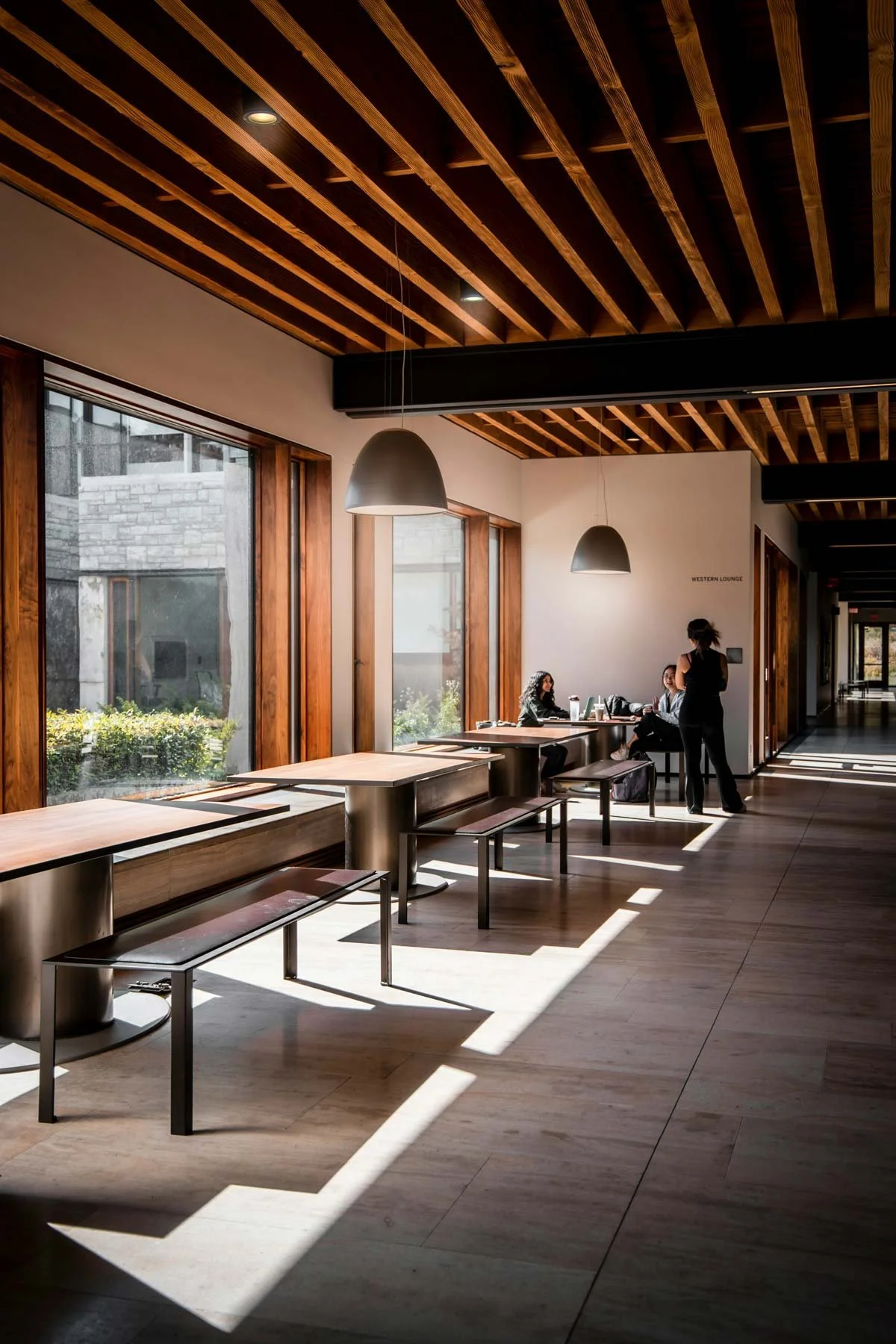
Communal spaces, including kitchens, study rooms, and common areas, determine a lot of your social experience in the first term when you're still meeting people. Accommodation built around individual rooms with no shared space tends to produce quite lonely living.
Beaumont House in Bayswater covers all of this: all-inclusive pricing, 24-hour security, communal kitchens and study spaces, and a dedicated prayer room with ablution area, which is genuinely rare in student accommodation. Rooms range from studios to six-bedroom flats, and Bayswater tube is two minutes from the front door.
The question you're really asking
Students looking for somewhere to live in London are almost always asking the same thing: how do I get the experience I came here for without spending money I don't have on a postcode?
Zone 1 is worth it if you can genuinely afford it without compromising everything else. If you can't, the calculation shifts to connectivity, neighbourhood, and what the accommodation itself offers. Living somewhere that makes the city easy to use, rather than simply placing you inside it, is usually the better deal.
Features include:
All-inclusive bills (WiFi, electricity, water, heating)
Prayer room with ablution area
Communal kitchens and study spaces
24-hour security with key fob entry
Daily communal area cleaning
International student services
2 minutes from Bayswater tube station
To find out more about Beaumont House or check availability, get in touch here or call +44 (0)203 195 3214. Beaumont House offers international students affordable, inclusive, and secure accommodation in Bayswater – perfectly positioned between Central London's opportunities and West London's livability.





















To check room availability in our building, or to find out more about living at Beaumont House, contact us or give us a call at: +44 (0)203 195 3214.